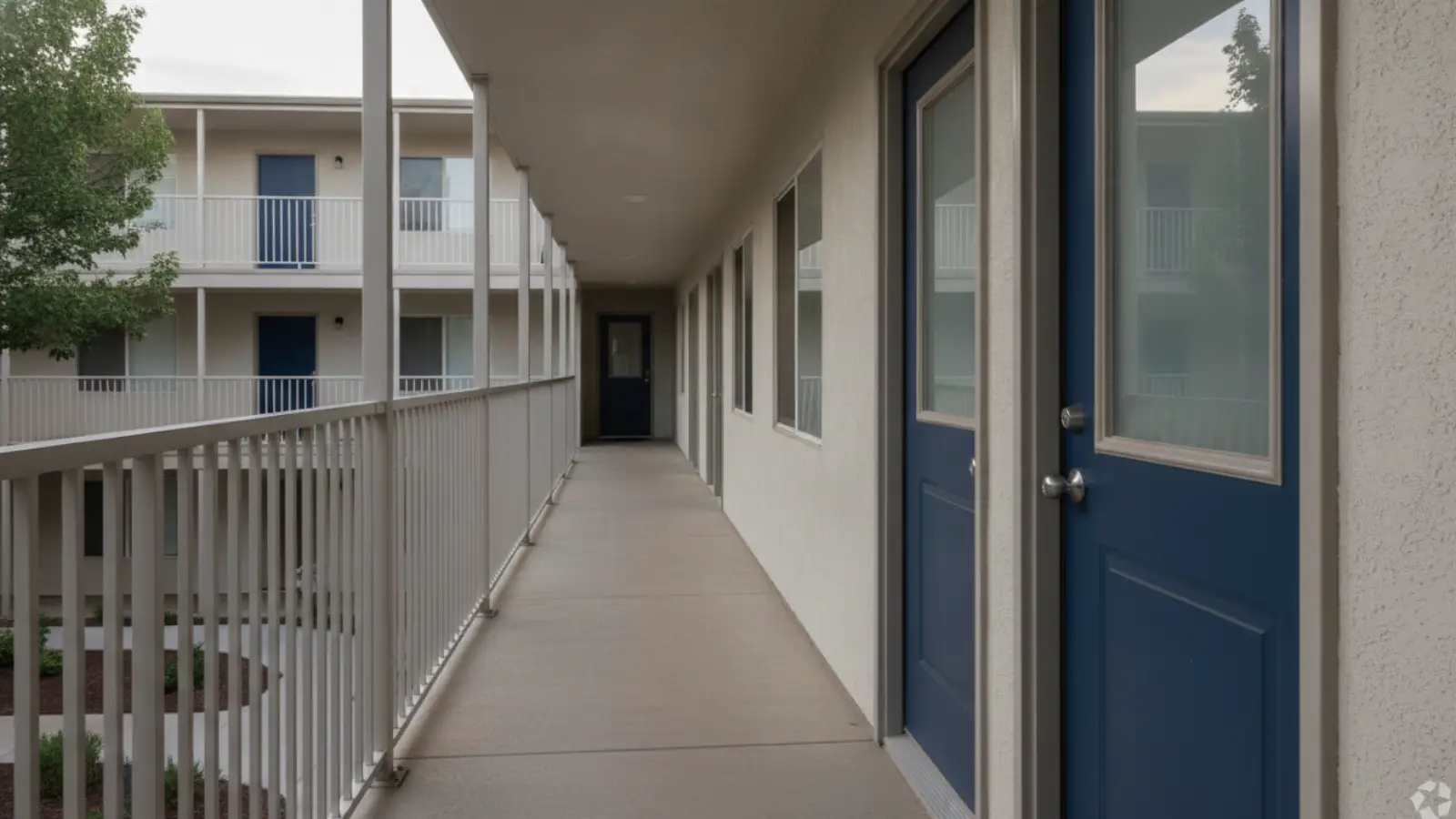


The worst time to choose this vendor is the morning you need one. You will be making a decision under pressure, for a unit you cannot enter, with a family waiting and a phone that has not stopped.
It is a twenty-minute job to do properly in advance. This is what to check.
1. Registration, and what it actually covers
Ask for the Georgia trauma scene registration number and verify it against the Secretary of State's register rather than accepting a certificate. Then ask the more useful question: which of the services on your list does that registration cover?
It covers deaths — homicide, suicide, advanced decomposition — on any premises. It does not cover injuries, sewage, mold or vehicles. A vendor who tells you their state license covers everything they do has told you something about their answers generally.
2. What happens to the waste
Contaminated material is regulated medical waste. Ask which licensed facility it goes to and whether you get the documentation. A vendor who cannot name the facility is subcontracting that step, which is not disqualifying but is something you should know before an incident rather than after.
3. What you get at the end
A written record of what was removed, what was decontaminated and where the waste went — not an invoice with a line called “cleaning”. That record is what you hand an insurer, an owner, or the next tenant's attorney. Ask to see a redacted example.
4. Response, described honestly
Ask two separate questions, because vendors often answer only the first:
- How quickly can you attend to assess? Hours is a reasonable answer.
- How quickly can the unit be back in service? That is the number that matters to you, and it depends on the scene rather than on their fleet.
- Be skeptical of a promise to start work within the hour. Where a death is being investigated, nobody may touch the scene until it is released — a vendor promising speed there is promising something you are not permitted to accept.
5. Their duty to their own people
Ask whether their technicians are trained, equipped and vaccinated for bloodborne pathogen exposure. It is a fair question about anyone you let onto a site, and the answer tells you whether the work is their trade or a sideline.
It matters to you directly for one reason: if a vendor is casual about their own staff, the alternative on the day is usually that somebody suggests your maintenance team handles it — which pulls your business into obligations it has almost certainly not met.
6. Discretion, in specifics
Unmarked vehicles, no signage, crews who confirm nothing to residents or press, and willingness to work out of hours. For a multi-unit building this is not a nicety — other tenants live there afterwards, and what they saw is what they remember about the building.
What to have in place before the call happens
- One vendor named, with a number that reaches a person at 3am rather than a queue.
- Their registration number recorded and verified, with the date you checked it.
- Written confirmation of what documentation you receive at the end of a job.
- A note of who at your end can authorize work, so nobody spends the morning finding out.
- Your insurer's position on this class of claim, in writing, obtained while nothing is on fire.
None of that requires a contract or a retainer, and you should be wary of being pushed into one to get a straight answer to any of the above.
The work itself: Unattended death cleanup.