
It is one of the first questions families ask, and a fair one.
If you are trying to find out what crime scene or biohazard cleanup costs, you have probably noticed that almost no company will give you a number over the phone. That is not evasion. The honest truth is that the price depends on what happened, how much was affected, and how long the scene sat before it was found — and no one can know that without seeing it. Still, you deserve a realistic picture before you call, so here is how the cost actually works.
Why there is no single price
Two scenes that sound identical on the phone can cost very different amounts to clean. What sets the price is not the size of the home — it is the amount of contamination and how far it has spread. A small area caught early is a straightforward job. The same area left for a week, with fluids soaked into the subfloor and odor moving through the vents, becomes a much larger one.
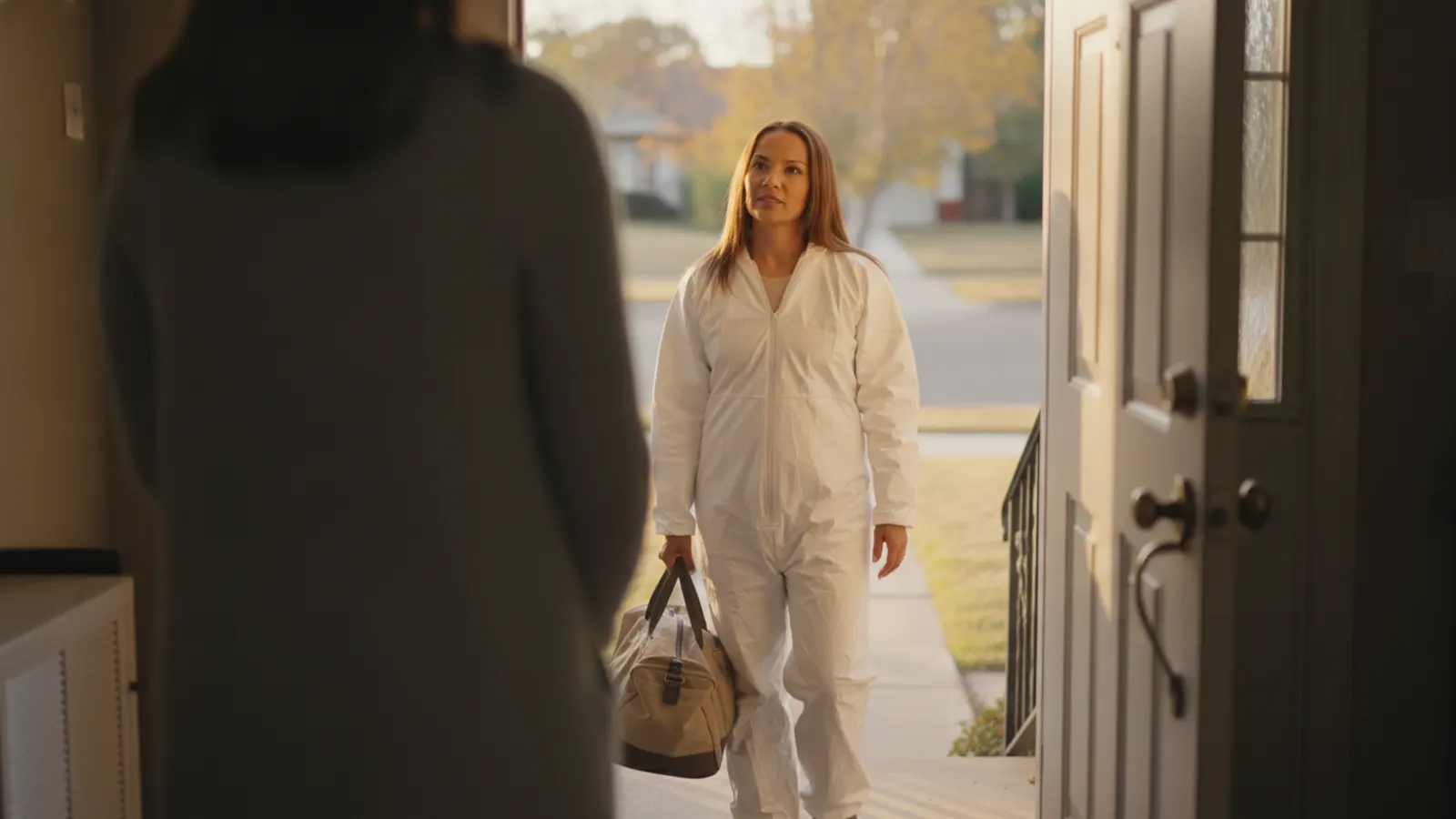
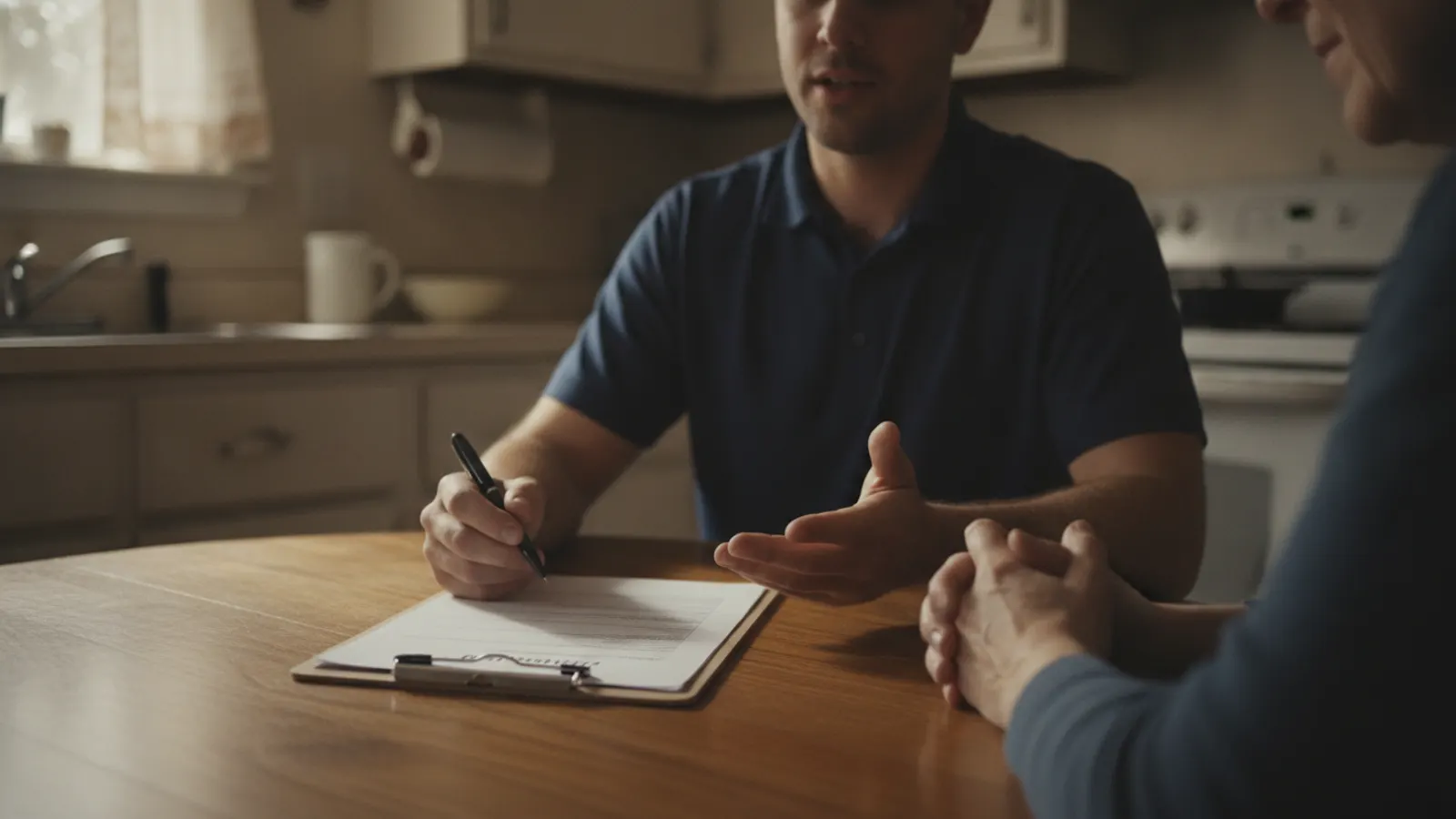
Reputable companies price the work after an on-site assessment, then give you a written, itemized estimate before anything begins. Anyone who quotes a firm price sight unseen is guessing — and that guess usually moves once they arrive.
The three sizes of job
We do not publish prices, and we would be suspicious of anyone who does — a figure printed on a website was written without seeing your property. What is useful in advance is knowing which kind of job you are likely looking at, because that is what moves the number:
- A contained scene, found early. Contamination limited to one area, little porous material to remove, no structural involvement. The smallest and most predictable kind of job.
- A typical trauma or unattended-death scene. Decomposition has begun, several materials are affected, and odor treatment is part of the work. This is the most common situation we are called to.
- A severe scene. Advanced decomposition, contamination that has reached the subfloor or framing, and odor that has moved through the ventilation. Structural repair and restoration become part of the job.
Where a scene sits on that scale is the single biggest factor in what it costs — far more than the size of the home. It is also why the only number worth anything is the written estimate you get after someone has walked the property.
What drives the cost up or down
A few factors explain almost all of the difference between a smaller bill and a larger one:
- Time before discovery. The longer a scene goes unattended, the more decomposition spreads, and the more has to be removed and treated.
- How much material is affected. Porous items that absorb fluids — carpet, padding, drywall, subflooring, mattresses, upholstery — often cannot be cleaned in place and must be removed and replaced.
- Structural contamination. When fluids reach the subfloor or framing, repairs and restoration add to the cost.
- Odor remediation. Neutralizing decomposition odor properly takes professional equipment and time, especially once it has entered the ventilation system.
- Biohazard disposal. Contaminated materials are regulated medical waste and carry special transport and disposal fees, often billed as a separate line.
How the billing usually works
Most established companies follow the same pattern: a free, same-day on-site assessment, then a flat, itemized bid — not open-ended hourly billing. The hourly rates you see quoted in cost guides describe how a bid is built behind the scenes, not how you are charged.
Many companies, including ours, do not require a deposit to start, and offer payment plans when insurance is not available. You should always get the estimate in writing, with the included services listed, before work begins.
Does insurance cover it?
In most cases, yes. Homeowners, renters, and commercial property policies commonly cover trauma and biohazard cleanup when it results from a covered event rather than neglect. When a claim is covered, families are often responsible only for their deductible. We document the work, provide what your adjuster asks for, and handle the paperwork. Who pays — and what to do if there is no insurance — is a longer subject, and we cover it in detail in our separate guide on who pays for crime scene cleanup.
How to spot a quote you should not trust
Because most families have never hired this kind of service, it is easy to be taken advantage of. A few warning signs:
- A firm price before anyone sees the scene. No one can price contamination they have not looked at. A confident phone quote often climbs once the crew arrives and cites unexpected conditions.
- A price that seems too low. This work requires training, equipment, insurance, and licensed medical-waste disposal. A price well below everyone else usually means a corner is being cut somewhere — often disposal.
- An offer to waive your deductible. That is insurance fraud, and a company willing to commit it for you is telling you exactly what kind of company it is.
- A local company that is not. Some brokers advertise a local presence, take your call, then hand the job to an actual local crew and add a markup on top. Ask who will physically be doing the work.
A trustworthy company will assess the scene, explain what needs to happen, and give you a clear written estimate with no pressure.
What you are really paying for
Cost matters. Of course it does.
But you are not only buying a cleaning.
You are buying the assurance that a home is safe again, that the biohazards are truly gone, and that no one you love had to face the scene themselves. That is what the estimate really covers.
If you would like a clear, no-obligation estimate for your situation, call Novel Bio Recovery. We will assess the scene, explain your options, and put the price in writing before any work begins — every hour of every day.
The work itself: Crime scene cleanup.