

Most people who search this have never had a reason to think about it before today, and are not sure it is even a service that exists. It is. This page explains what the work involves, who is allowed to do it, and roughly how long it takes — without graphic detail, because you do not need that and it would not help.
First: you are not expected to do this yourself
There is no rule, custom or expectation that a family cleans up after a death. Police and the coroner attend, and once the scene is released their work is finished — releasing a scene is not the same as making a room usable again, and nobody from either agency will do that part.
In Georgia, there is also a legal answer. State law defines a trauma scene as a site contaminated by a homicide, a suicide, or a death involving advanced decomposition, and only a practitioner registered with the Secretary of State may perform or offer to perform that cleanup. That registration exists precisely because this is not ordinary cleaning.
What the work actually is
Blood and other body fluids carry bloodborne pathogens, and they travel. Fluid reaches the seams of flooring, the gap under a baseboards, the underside of a mattress, the subfloor beneath a carpet. What is visible on the surface is usually a fraction of what is present, which is why the job is not a cleaning job with stronger chemicals — it is a removal and decontamination job with a documented endpoint.
In practice a cleanup runs in this order.
- Assessment. A technician establishes how far contamination has spread, including into materials you cannot see. This determines everything that follows and is done before any price is agreed.
- Containment. The affected area is isolated so that nothing is tracked into the rest of the property, and airflow is controlled.
- Removal. Porous material that has absorbed fluid — carpet, carpet padding, sections of subfloor, mattresses, upholstered furniture, sometimes a section of wall — is cut out and removed. Porous material cannot be disinfected reliably, so it goes.
- Decontamination. Remaining hard surfaces are cleaned and treated with hospital-grade disinfectants, worked in stages rather than a single pass.
- Odor treatment. Odor is a symptom of residue. It is addressed after decontamination, not instead of it — a room that smells clean is not the same as a room that is clean.
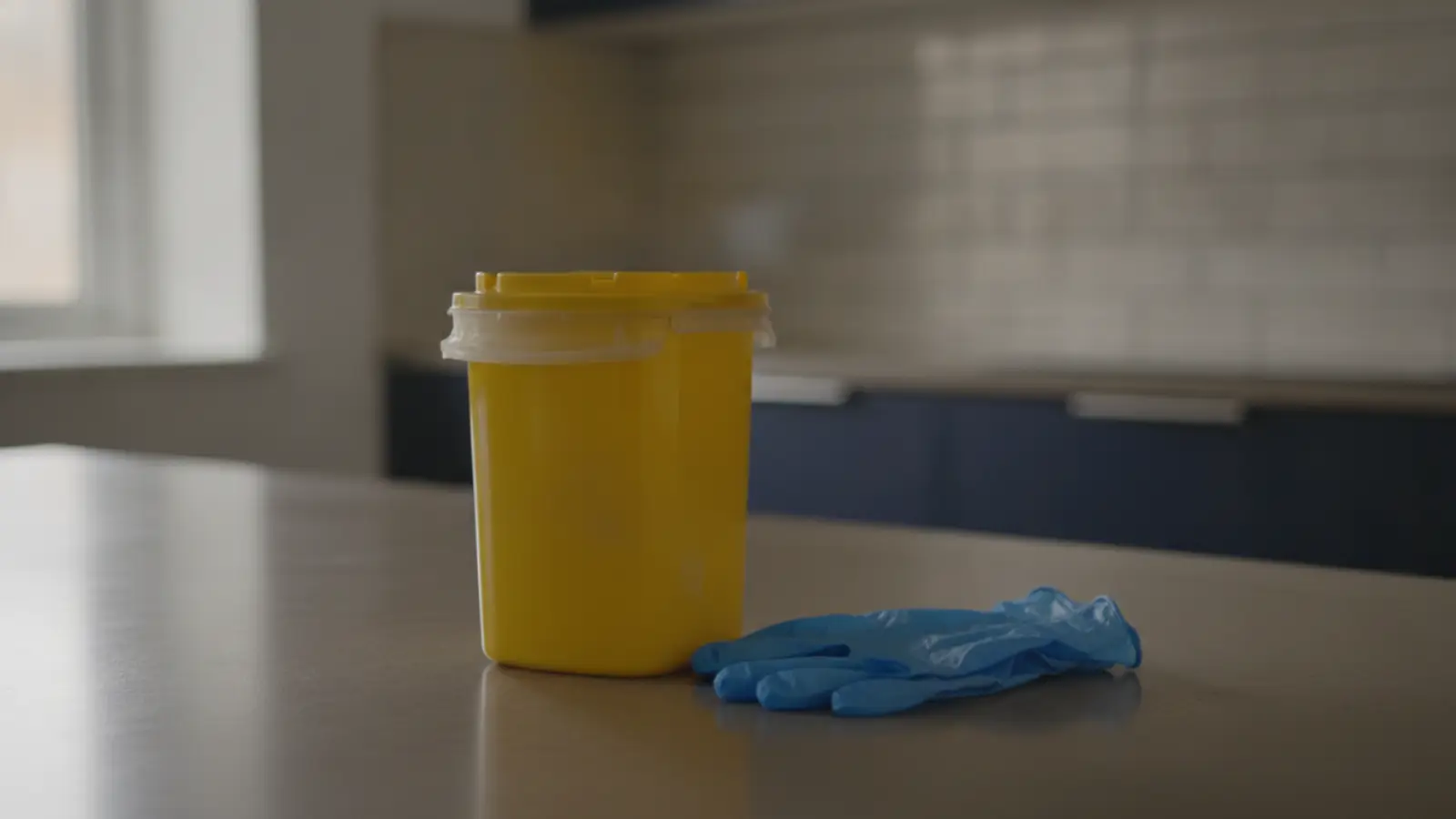
- Disposal. Contaminated material is handled as regulated medical waste and tracked to a licensed facility, not put in a household trash.
- Clearance. The area is checked, and you get a written record of what was removed, what was treated, and where the waste went.
How long it takes
Most residential cleanups are completed in a day. Larger or older scenes — where fluid has had time to travel into structure, or where more than one room is affected — can take two or three, and occasionally a section of flooring has to come up before anyone can say for certain.
The honest answer is that nobody can tell you the duration accurately over the phone, because the spread is not visible until the work starts. What you can be told at the start is how the assessment will run and what the range depends on.
Discretion, in specifics rather than promises
The most common worry raised on these calls is not cost. It is who will find out. That is a well-documented pattern after a suicide, and it is worth answering concretely rather than reassuringly:
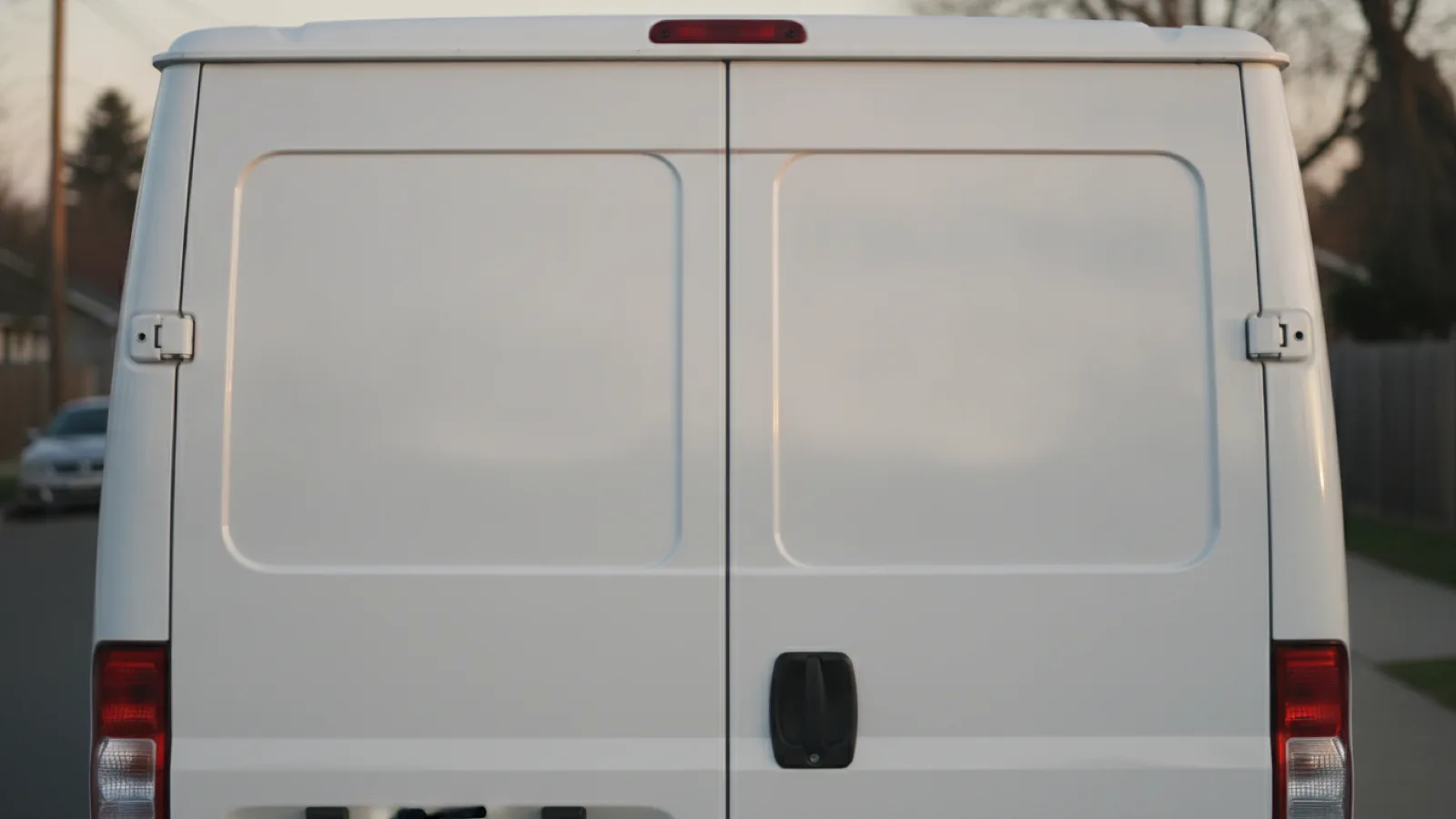
- Vehicles are unmarked, with no company name, logo or equipment visible from the street.
- There are no signs, no cones, and nothing placed outside the property.
- Crews do not discuss the work with neighbors, and do not confirm to anyone why they are there.
- We only speak to the property owner or the executor, and coordinate with anyone else at your request.
What cannot be promised is control over what neighbors already saw. Emergency vehicles usually arrive first and are not discreet. What follows can be.
What it costs, and who pays
Cost depends on the extent of contamination rather than the size of the room, so it is quoted after an assessment rather than over the phone. Homeowner's, renter's and commercial property policies commonly cover this work as a covered loss, and where they do, the insurer is billed directly and most people pay only their deductible.
If there is no policy, or the policy does not cover it, say so at the start of the call. It changes what is worth discussing, and it is a normal conversation to have.
If you are not sure you need anyone
A lot of people ring to find out whether this is even necessary, and expect to be talked into something. That is a reasonable thing to ask and it does not commit you to anything. If the answer is that you do not need a professional, you will be told that — it is a short conversation and it costs nothing.
If you are in immediate danger or thinking about harming yourself, call or text 988 in the United States for the Suicide and Crisis Lifeline. It is free, confidential and available at any hour.
The work itself: Suicide cleanup.